Moorea Coral Reef LTER Homepage

Version française | MCR internal 

Moorea Coral Reef LTER Homepage
Moorea Coral Reef LTER Site
Moorea Coral Reef LTER People
Moorea Coral Reef LTER Research
Moorea Coral Reef LTER Data
Moorea Coral Reef LTER GIS
Moorea Coral Reef LTER Education
Moorea Coral Reef LTER Affiliates


An Introduction to the Moorea Coral Reef LTER Go to Long Ter Ecological Research (LTER) Website


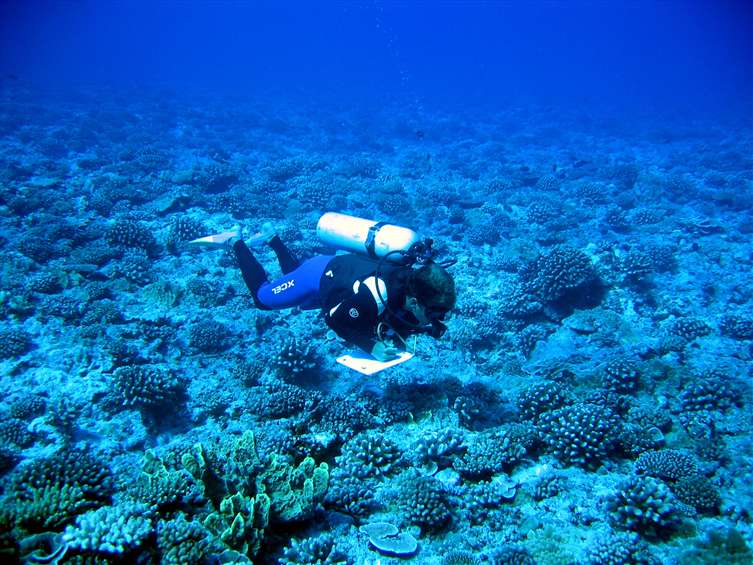
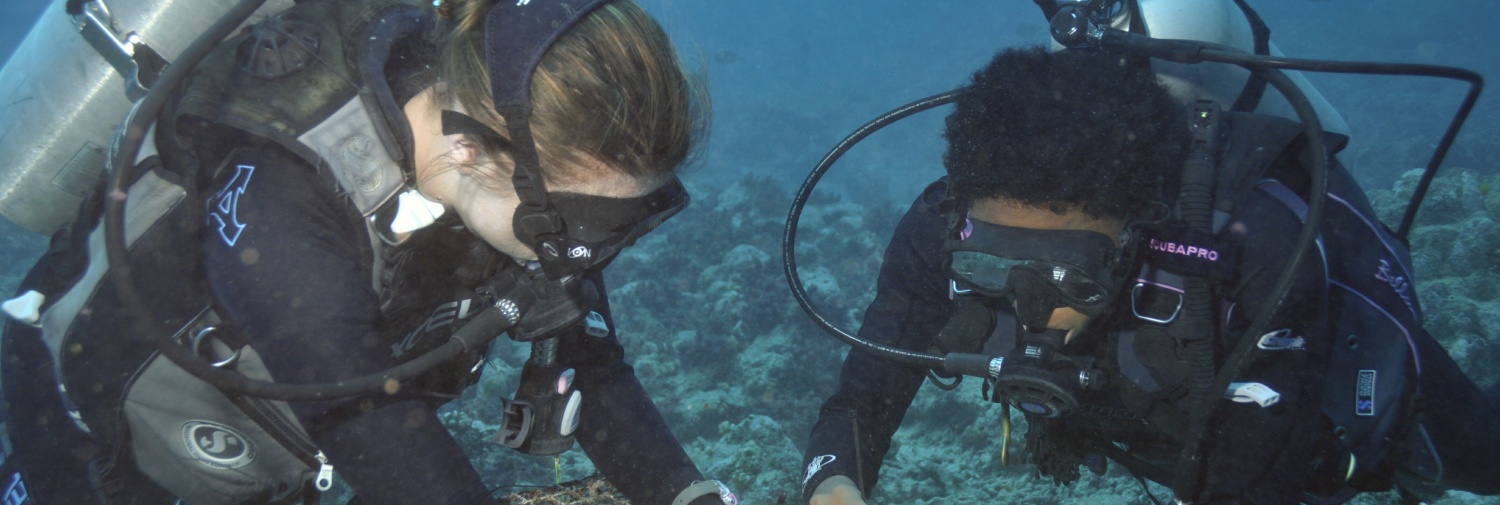
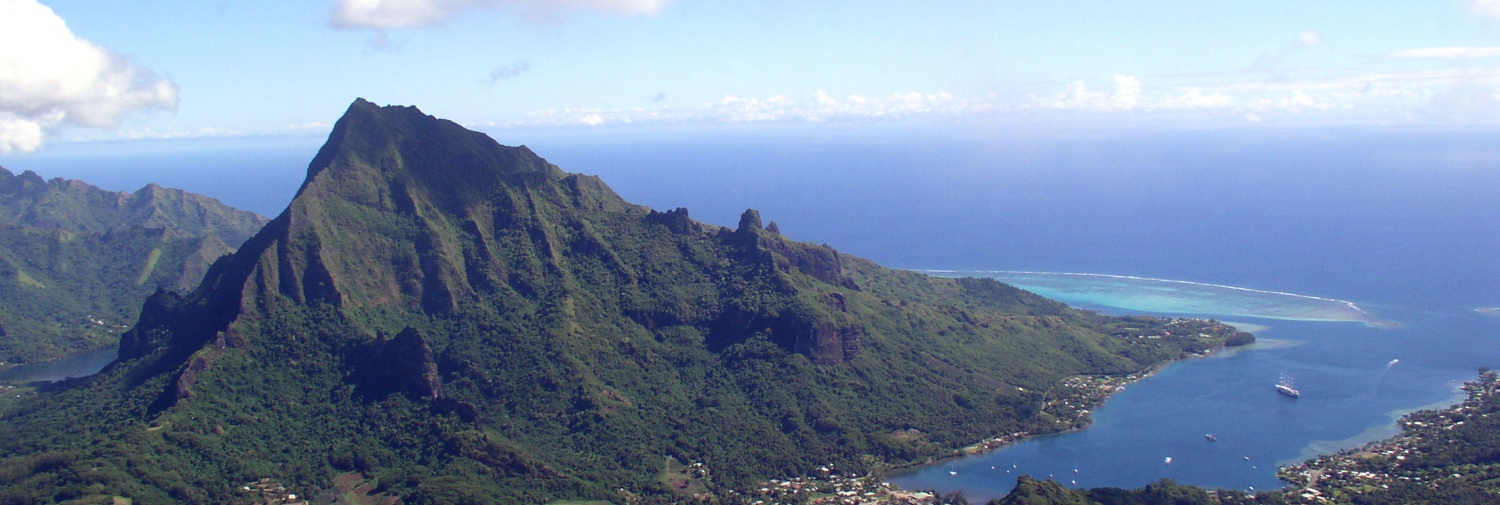
The Moorea Coral Reef Long Term Ecological Research Site (MCR LTER) is the complex of coral reefs and lagoons that surround the island of Moorea in French Polynesia.  The project, funded by the US National Science Foundation (NSF), is a partnership between the University of California Santa Barbara and California State University, Northridge that includes additional researchers from UC Davis, UC Santa Cruz, UC San Diego and the University of Hawaii.  Field operations are conducted from the UC Berkeley Richard B. Gump South Pacific Research Station (UCB Gump) on Moorea.


The Moorea Coral Reef LTER is part of the National Science Foundation's Long Term Ecological Research (LTER) Network. The LTER Program was established by the NSF in 1980 to support research on long-term ecological phenomena. The Moorea Coral Reef LTER became the 26th site in the LTER network in September of 2004.


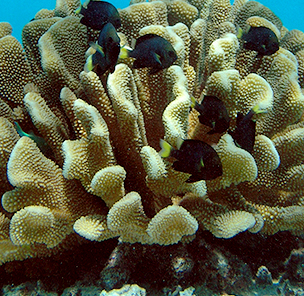
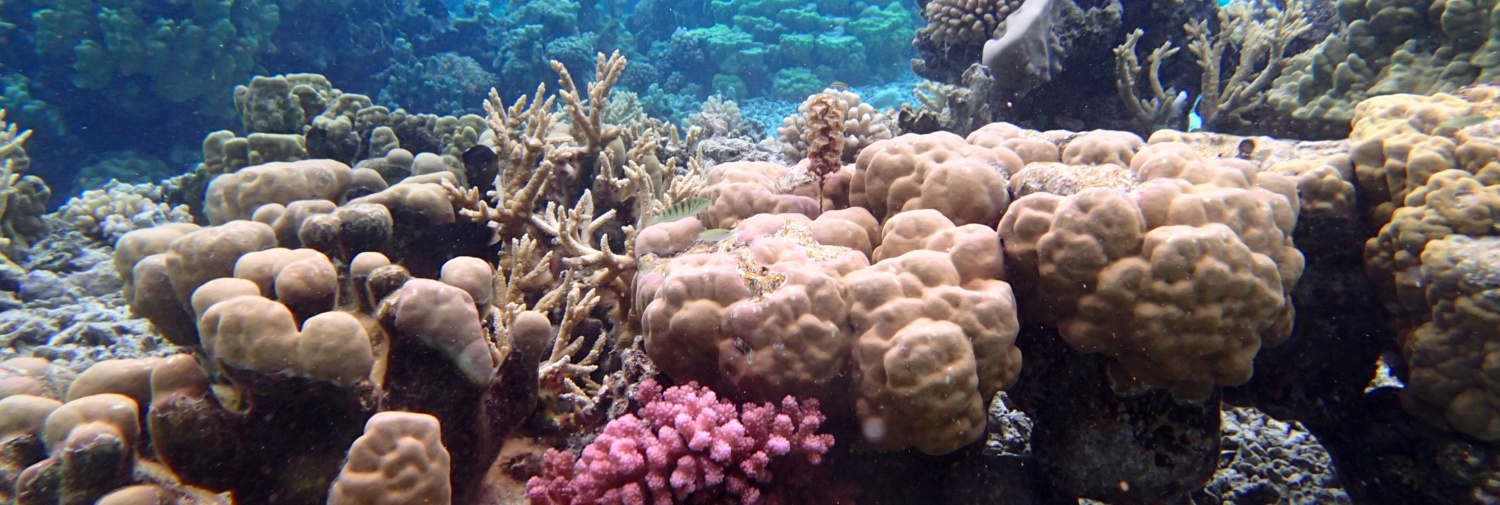
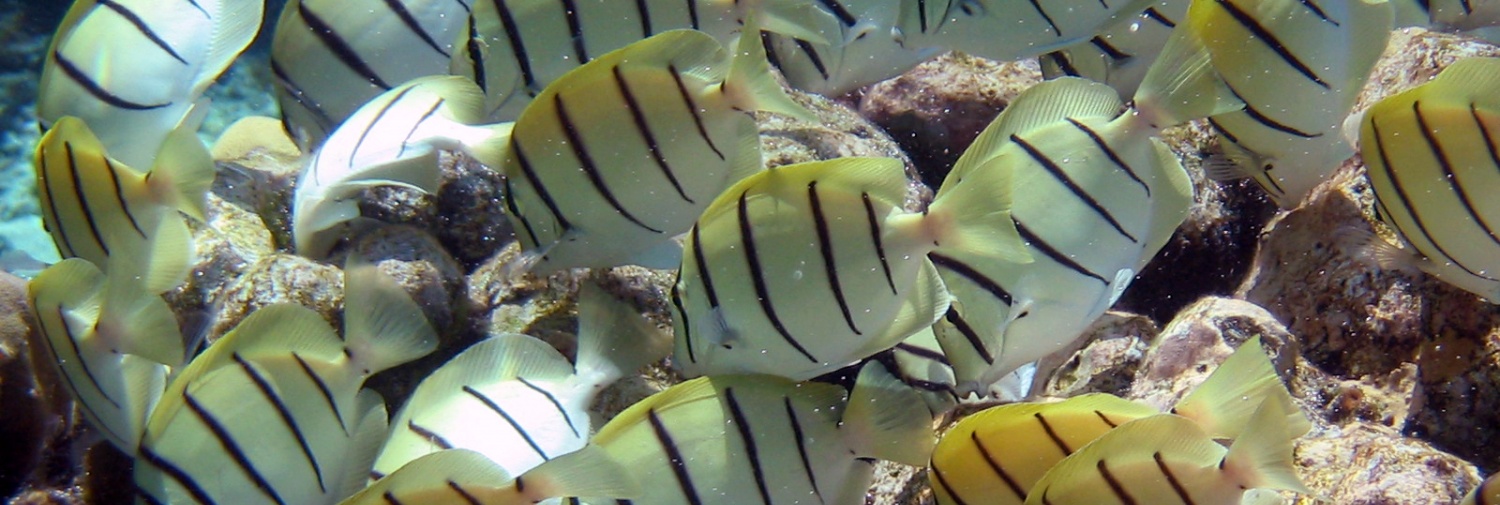
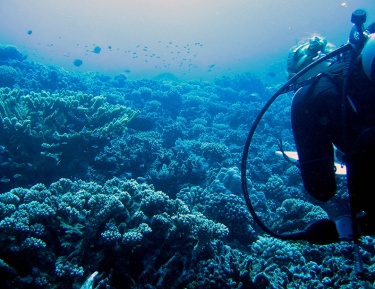
  Moorea coral Moorea fish Moorea Coral  


Coordinated interdisciplinary research by our investigators addresses the five core LTER research areas:

   Dynamics and control of primary production

   Population dynamics of representative groups

   Pattern and control of organic recycling

   Pattern of inorganic input and dynamics

   Patterns and consequences of disturbances that arise from or induce long-term trends


The science themes that form the nucleus of the Moorea Coral Reef LTER research program include:

   Biological bases for variation in ecological performance of stony corals (the foundational group)

   Population dynamics of key groups

   Food web and nutrient dynamics

   Maintenance and functional consequences of diversity  


Two additional research components cut across these themes:

   Physical biological coupling over multiple scales

   Physical and ecological models that synthesize field results and yield generality  


Identified issues within each thematic area are explored through focused, process-oriented studies and by long-term experiments and monitoring.  Such mechanistic understanding will allow more accurate predictions of how coral reef ecosystems will respond to disturbances and climate forcing.


Click here for the latest news on the Moorea Coral Reef LTER.


New resources for teachers! Our Marine Life of Moorea educational website is up and running! Please check it out here.

To see real-time oceanographic and atmospheric conditions at Gump station, click here.

To download a copy of our brochure, click here.

For other Moorea Coral Reef LTER announcements, please click here.


home  |  site  |  people  |  research  |  data  |  education   |  affiliates  |  internal page  |

For questions, please contact: brooks@msi.ucsb.edu